
A Taste of Mauritius: Iconic Dishes You Must Try
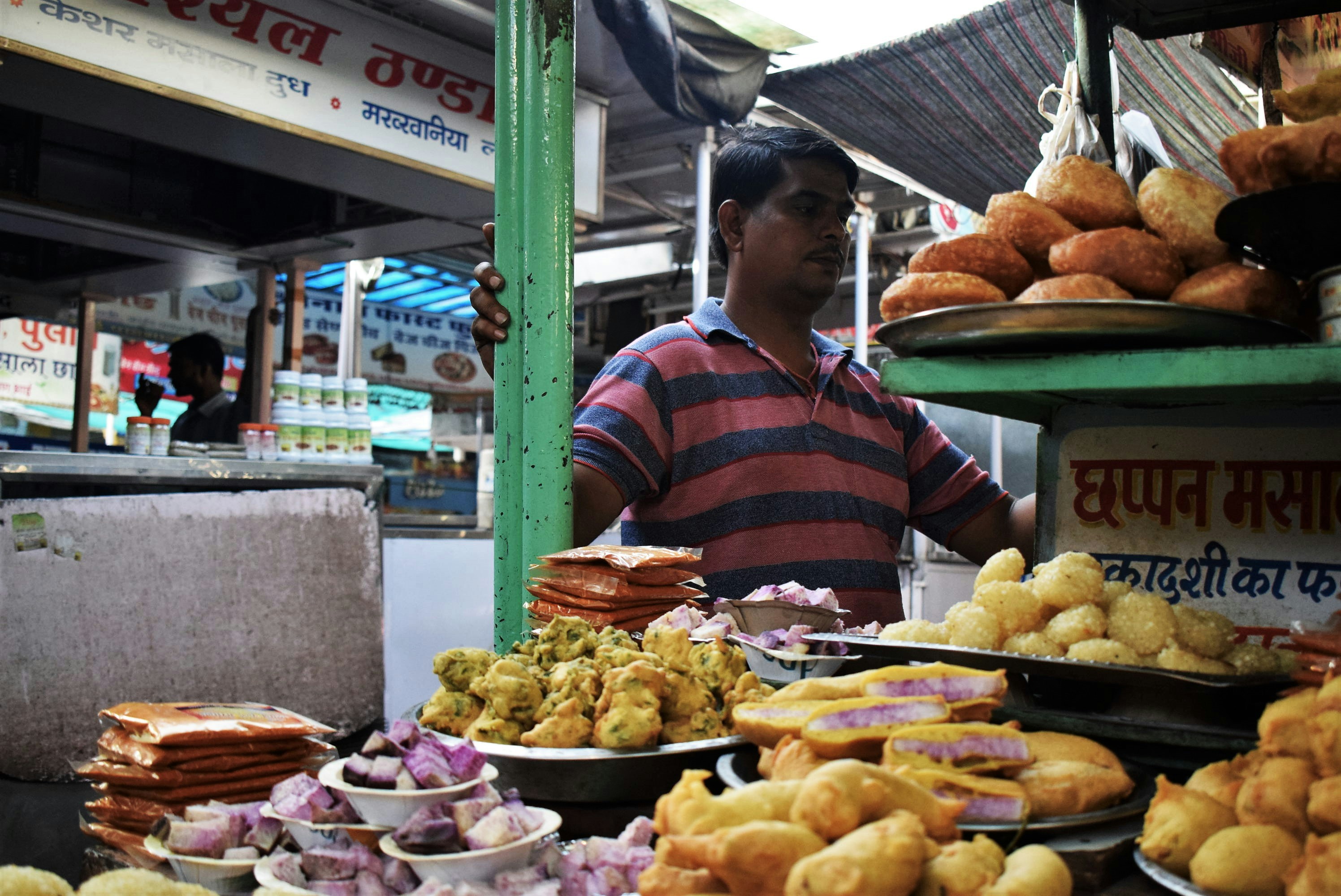
Mauritius boasts a rich and diverse culinary landscape that mirrors its multicultural heritage. The island’s cuisine is a fascinating tapestry interwoven with Creole, Indian, Chinese, and French influences, resulting in a unique blend of flavors and techniques. One of the must-try iconic dishes is dholl puri, a popular street food that features thin, soft flatbreads made from split peas, often served with a variety of chutneys and curry. This dish epitomizes the fusion of flavors that characterize Mauritian food.
Another staple is boulet caldo, a comforting soup traditionally made with meatballs, lentils, and a medley of local spices. This dish showcases the island’s penchant for aromatic, hearty meals that provide nourishment and warmth. You will discover that each spoonful tells a story influenced by the island’s diverse populace. Alongside these, rougaille, a rich and flavorful tomato-based dish usually cooked with chicken, fish, or sausage, is a staple found in many homes. Its robust taste highlights the emphasis on using fresh produce and spices in Mauritian cooking.
To truly experience the authentic flavors of Mauritius, one can explore from bustling street vendors to upscale restaurants. Local markets, such as the Central Market in Port Louis, are ideal for tasting freshly prepared dishes alongside locals. For a more refined experience, establishments such as the Sugar Beach or Le Château de Bel Ombre offer an exquisite menu highlighting signature Mauritian cuisine, prepared with a contemporary twist. Through exploring these culinary delights, one gains a deeper understanding of the cultural significance and history embedded in Mauritian dishes.
Famous Mauritian Brands: A Testament to Local Craftsmanship
Mauritius, known for its rich cultural tapestry, is also home to an array of brands that exemplify the island’s dedication to craftsmanship and creativity. A standout example is the local textile industry, where brands such as “Cotton House” produce high-quality fabrics that merge traditional Mauritian methods with contemporary designs. The textiles created by these brands not only serve local consumers but have also gained appreciation in international markets, highlighting their commitment to quality and innovation.
In the realm of handicrafts, “Mauritius Artisan” takes the spotlight by showcasing traditional hand-made items that reflect the unique artistic expressions of the island’s diverse communities. From intricate wood carvings to stunning pottery, these products tell a story of craftsmanship passed down through generations. By supporting local artisans, Mauritius Artisan emphasizes sustainable practices, ensuring that the cultural heritage remains vibrant while providing livelihood opportunities for local craftsmen and women.
The gourmet food sector also features prominent Mauritian brands like “Mauritius Gourmet” and “Le Piment,” which focus on producing authentic condiments and delicacies. These products, such as unique spice mixes and handcrafted sauces, encapsulate the island’s flavor diversity and cater to both local and international palates. The meticulous care taken in sourcing ingredients and crafting recipes exemplifies a commitment to quality and sustainability integral to Mauritian culture.
These brands do not only represent the craftsmanship of Mauritius but also play a significant role in bolstering the local economy. They create jobs and foster a sense of community among the artisans, while also appealing to the Mauritian diaspora. As these brands garner international recognition, they highlight how local dedication and innovative spirit can resonate far beyond the island’s shores.
Mauritian Outfits: Embracing Cultural Heritage through Fashion
Mauritius is renowned for its vibrant and diverse culture, which is prominently expressed through fashion. The island’s traditional attire showcases a blend of influences from India, Africa, France, and China, reflecting its rich history of multiculturalism. Among the most iconic garments is the sega dress, characterized by its colorful fabric and loose, flowing design that allows for comfort during dance. This dress symbolizes the spirit of the sega dance, a cherished cultural expression that originated from the island’s Creole population, embodying the resilience and joy of Mauritian life.
Contemporary Mauritian fashion designers are increasingly drawing inspiration from traditional clothing, merging old and new styles to create unique offerings. Modern adaptations of the sega dress often feature contemporary cuts and innovative fabric choices, which cater to the tastes of the younger generation while still encapsulating the essence of their heritage. Additionally, colors play a significant role in Mauritian outfits, with vibrant hues symbolizing different cultural meanings and celebrations. For instance, the use of red is often associated with joy and celebration, making it a popular choice for festive attire.
The usage of local fabrics such as cotton and silk further emphasizes the connection to Mauritian culture. Designers today are also focusing on sustainable practices, incorporating local artisans’ skills into their creations. This not only supports the local economy but also reinforces the cultural narratives embedded within these garments. Moreover, for Mauritians living abroad, wearing traditional clothing becomes a means of maintaining a connection to their roots. By embracing their cultural heritage through fashion, they foster a sense of identity and community, even far from home.
Creating a Sense of Home: Connecting with Mauritius from Afar
Emotional connections to one’s homeland extend beyond geographical boundaries, particularly for those of Mauritian descent. The island’s rich culture, characterized by diverse culinary traditions and vibrant fashion, serves as a bridge for many expatriates. By embracing and celebrating these elements, individuals can cultivate a sense of belonging regardless of their current location.
One of the most poignant ways to reconnect with Mauritian culture is through its cuisine. Recipes for traditional dishes, such as dholl puri, rougaille, and gateau piments, can be found in various online communities and culinary blogs. Experimenting with these recipes not only provides a taste of home but also creates an opportunity for shared experiences. Consider hosting virtual cooking sessions with friends or family, allowing for the exchange of stories and heritage while preparing beloved meals.
Moreover, clothing and fashion serve as other conduits for reconnecting with traditional Mauritian culture. Online platforms offer a variety of Mauritian-inspired attire, from batik prints to contemporary designs that reflect local artistry. Engaging with these artisans through social media or direct purchasing fosters a connection with the island’s vibrancy. Wearing such garments can evoke nostalgia and pride, allowing individuals to represent their heritage wherever they are.
Additionally, fostering a sense of community remains crucial. Connecting with local Mauritian groups through social media platforms, cultural organizations, or expatriate networks can lead to enriching relationships and shared cultural experiences. Participation in virtual gatherings and cultural events enables individuals to immerse themselves in their roots, fortifying their identity and maintaining the connection to their homeland.
Ultimately, by integrating elements of Mauritian food, fashion, and community engagement, individuals can sustain their cultural heritage and feel a profound connection to Mauritius, despite the physical distance. This journey of reconnection not only honors one’s ancestry but also cultivates a sense of belonging among the diaspora.